I Was Here Before It Was Called “Sustainable”

I Was Here Before It Was Called “Sustainable”
There’s a strange comfort in language once it becomes popular.
It gives us shorthand. Shared terms. A sense that we’re finally talking about the same thing.
But it can also flatten history.
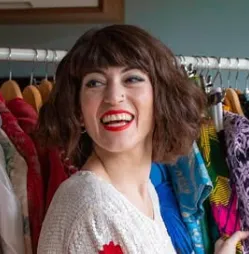
My work in fashion began in the early 1990s, long before sustainable, ethical, or slow fashion were industry terms. At the time, we didn’t have certifications, standards, or hashtags. We didn’t talk about circularity or ESG. We talked about fibres, labour, waste, and harm - because those were already visible if you were paying attention.
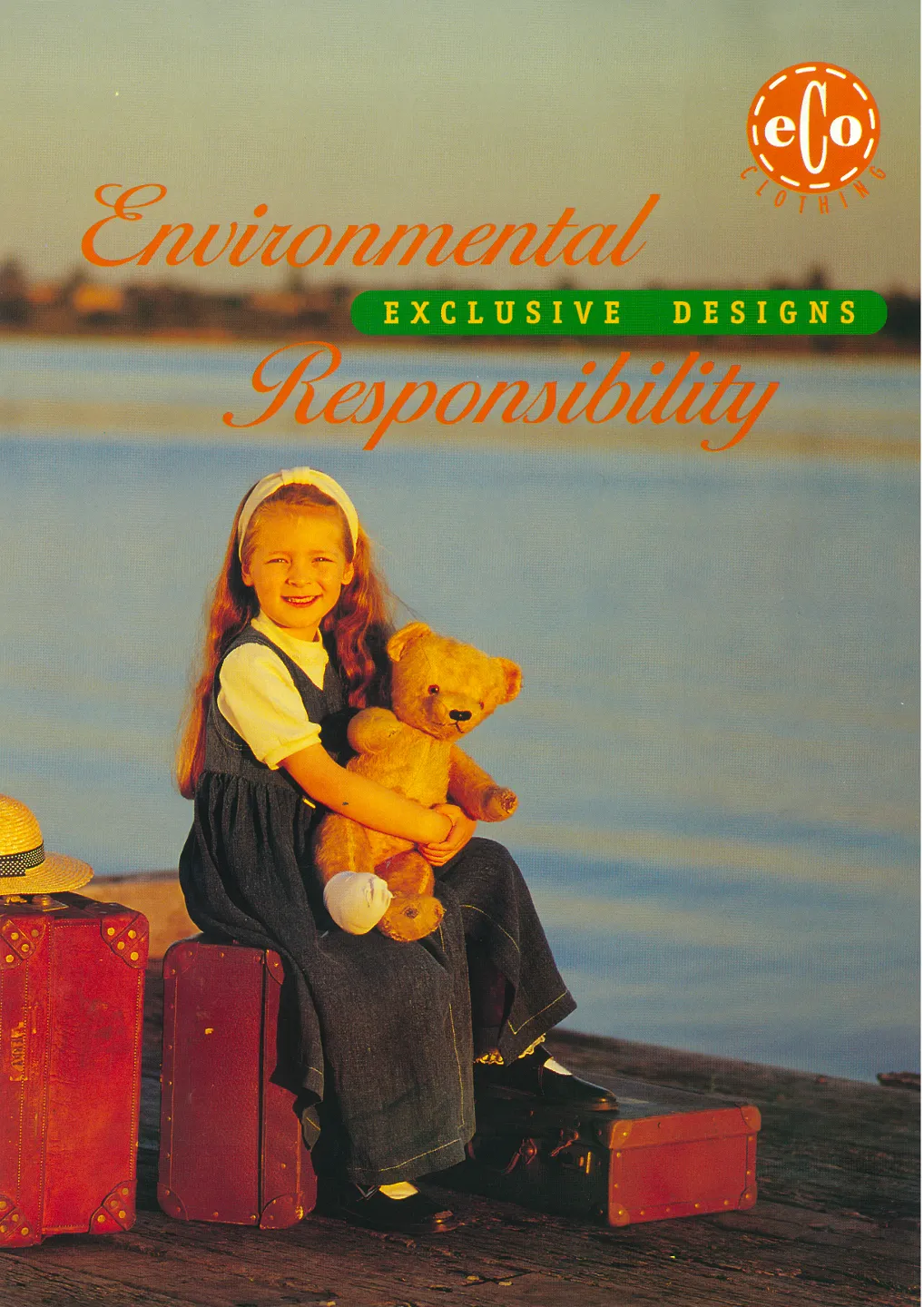
I founded a label called Eco Clothing as a young designer, working exclusively with natural, organic, and unbleached fibres. We used hemp imported directly from India, cottons grown in natural colours, unleaded and natural dyes and a made-to-order production model that minimised waste by design. Distribution happened through a network of trained consultants who hosted gatherings in people’s homes - spaces where clothing wasn’t just sold, but discussed.
Those conversations mattered. They allowed me to speak directly with customers about the environmental damage and human exploitation embedded in the clothing industry - even then. None of this was new. The rivers running blue with dye, the underpaid labour, the disposability built into garments. These realities were already well established. What was missing was mainstream willingness to look at them.
For a time, that direct connection between maker and wearer felt like a small but meaningful interruption to business as usual.
When the System Pushes Back
Toward the end of Eco Clothing’s journey, I made a decision that felt necessary at the time - to open a retail store - even though it was ultimately unsustainable.
It was relentless. Seven days a week. High overheads. Constant pressure. When key staff moved on around the same time my second child was due, I stepped away from the brand and the industry - at least outwardly.
What followed wasn’t a departure so much as a widening of perspective.
I worked in education as a fashion lecturer and applied my design and project-management skills to building and renovating homes. Through my family’s manufacturing business, I stayed close to industrial systems and supply chains. I watched the fashion industry accelerate, offshore production expand, quality decline, prices drop, volumes rise, local manufacturing and skills disappear.
Within a single generation, we lost everyday practices that once connected people to their clothes: basic mending, alterations, fibre knowledge, care. Clothing became cheaper, faster, and increasingly abstracted from its making. Convenience replaced connection.
This wasn’t just an environmental shift. It was a cultural one.
Returning With New Language
Years later, I returned to formal study. This time in behavioural science, with a strong focus on social justice. I became interested not just in what systems do, but why people participate in them even when they know they’re harmful.
That lens changed everything.
It made clear that information alone doesn’t drive change.
That guilt rarely leads to sustained action.
That people don’t change behaviours in isolation - they change through norms, identity, visibility, and belonging.
It also sharpened something I’d sensed for years: that many people feel overwhelmed, mistrustful, or quietly disengaged when it comes to sustainability - not because they don’t care, but because they no longer know what to believe.
Greenwashing has taken its toll.

Why I’m Writing This Now
I’m sharing this history because the Slow Fashion Hub didn’t emerge from a single idea or moment. It grew out of decades of observation, of working within the fashion industry, stepping outside it, and returning with a systems view.
What became increasingly clear is that individual brands, no matter how ethical, are not enough.
Too many people doing good work are operating in isolation - carrying high costs, limited visibility, and the emotional labour of constantly explaining themselves in a system that doesn’t recognise their value.
At the same time, consumers are being asked to navigate an increasingly confusing landscape of claims, labels, and promises, without meaningful ways to verify or connect.
Trust has eroded on both sides.
The Slow Fashion Hub is not an attempt to fix fashion.
It’s an attempt to build alternative infrastructure - physical, digital, and cultural - that supports slow fashion as its own industry, with its own logic, values, and pace.
A Different Way Forward
This blog exists for a similar reason.
It’s not here to shame, overwhelm, or sell perfection. It’s here to tell the truth, gently, honestly, and with context. To share stories of skill, care, repair, and regeneration. To make visible the work that already exists, and the people doing it.
Slow fashion is not about doing everything right.
It’s about doing things with care.
It’s about reconnecting with what we wear, not just as consumers, but as participants in a shared system. It’s about recognising that sustainability is not a trend to adopt, but a long process of unlearning and rebuilding.
I’ve seen cycles come and go. I’ve seen language change. I’ve seen good intentions absorbed and diluted by systems designed for speed and profit.
What I’m interested in now is something quieter and more enduring.
Community.
Skill.
Trust.
And the slow work of putting things back together.
If you’re here, reading this, you’re already part of that work.
Foundational Essays by the Founder
Slow Fashion Hub
Anastasia Gazis